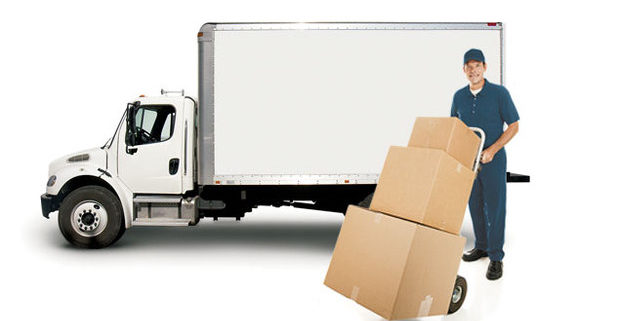
Relocating to a new home or transferring a business to another location is a significant event that requires careful organization and thoughtful preparation. While many people focus primarily on the physical act of moving belongings, the overall success of a relocation often depends on the planning that happens weeks or even months beforehand. Proper preparation allows individuals and organizations to reduce stress, avoid logistical problems, and create a smooth transition into their new environment.
Moving involves several stages, each with its own challenges and requirements. These stages typically include planning, organizing belongings, packing, coordinating transportation, and finally unpacking and settling into the new space. When each of these steps is approached with a clear strategy, the relocation process becomes much easier to manage.
One of the most effective ways to begin preparing for a move is to create a relocation timeline. A timeline helps individuals break the process into smaller, manageable tasks instead of trying to complete everything at once. For example, the first stage may involve evaluating belongings and deciding which items should be kept, donated, or discarded. The following stage might focus on gathering packing materials and organizing storage containers.
This gradual approach helps reduce the feeling of being overwhelmed. Instead of rushing through the process during the final days before moving, people can steadily complete tasks over time. Many experienced planners recommend beginning relocation preparation at least four to six weeks before the actual moving date whenever possible.

Decluttering is another essential step in the moving process. Over time, households and offices tend to accumulate items that are rarely used or no longer necessary. Relocation provides an excellent opportunity to review possessions and simplify the overall environment. Reducing the number of items being moved can significantly lower transportation costs and make unpacking much easier once the relocation is complete.
For residential moves, families often sort items room by room. This method allows them to carefully review furniture, clothing, decorations, and household equipment. Items that are no longer useful can be donated, recycled, or discarded. Businesses may take a similar approach by reviewing office equipment, documents, and storage materials to determine what should be moved to the new location.
Packing strategies also play a major role in ensuring a successful relocation. Many people make the mistake of packing items randomly, which often leads to confusion and disorganization later. A more effective method is to pack items according to categories or rooms. Kitchen items should remain together, books can be placed in smaller boxes, and office materials can be organized into labeled containers.
Clear labeling is extremely important during the packing process. Each box should include a brief description of its contents as well as the room where it belongs. This simple step helps movers and residents quickly identify where boxes should be placed when they arrive at the new location. It also makes unpacking much faster and more efficient.
Fragile items require special care during relocation. Objects such as glassware, electronics, and decorative pieces should be wrapped in protective materials before being placed into boxes. Proper cushioning helps prevent damage during transportation and ensures that valuable belongings remain safe throughout the move.
In addition to packing and organization, transportation planning is another important element of relocation preparation. Before moving day arrives, it is helpful to consider how items will be loaded, transported, and unloaded. Access to the building, available parking space, and the layout of stairways or elevators can all affect the efficiency of the moving process.
Many individuals and companies explore professional assistance when planning a relocation. Professional movers often have extensive experience managing the packing, transportation, and unloading of household or office items. Some people review relocation resources and services provided by experienced moving professionals such as
https://rwrmoving.com/
to better understand how organized moving assistance can simplify the relocation process.
Another important step in preparing for a move is researching companies and service providers carefully. Checking reviews and independent resources can help individuals make informed decisions. Organizations like the
https://www.bbb.org
provide helpful information about business credibility, customer feedback, and service reliability. Reviewing these resources allows individuals and businesses to choose services with greater confidence.
Educational resources can also help people understand the structure of the relocation industry. Many readers who want to learn more about how moving services operate can explore general information about the industry at
https://en.wikipedia.org/wiki/Moving_company
which provides a helpful overview of how moving companies work and how the industry developed over time.
Business relocations often require even more coordination than residential moves. Offices may contain large amounts of equipment, confidential documents, and technical systems that must be handled carefully. Many companies approach relocation in stages to ensure that operations can continue with minimal interruption.
For example, some departments may begin packing earlier while others continue working until the final days before the move. In many cases, businesses choose to relocate during weekends or evenings to avoid disrupting normal working hours. By planning the schedule carefully, companies can ensure that employees return to a fully prepared workspace once the relocation is completed.
Communication is another key factor in successful relocations. When everyone involved understands the timeline and responsibilities, the entire process becomes more efficient. Families may assign packing tasks to different members, while businesses may designate specific teams responsible for organizing equipment and documents.
Preparing an essentials box is another helpful strategy during a move. This box usually contains items that will be needed immediately after arriving at the new location. Examples include personal documents, chargers, medications, basic tools, and everyday supplies. Keeping these items easily accessible ensures that important belongings do not get lost among dozens of moving boxes.
Moving day itself often feels less stressful when proper preparation has already been completed. Boxes that have been labeled and organized can be loaded quickly, while furniture that has been prepared in advance can be transported safely. Having a clear plan for the day helps everyone involved understand their responsibilities and prevents unnecessary delays.
Once the move is completed and belongings arrive at the new location, unpacking should be approached gradually. Many people begin by organizing the most important rooms first, such as kitchens, bedrooms, or workspaces. Establishing these essential areas helps individuals return to their normal routines more quickly.
Relocation also provides an opportunity to rethink how spaces are arranged. A new environment often allows for improved furniture placement, better storage solutions, and more efficient organization. By taking time to plan the layout of the new home or office, individuals can create a space that supports comfort, productivity, and long-term organization.
Although moving is often viewed as a stressful event, thoughtful planning can significantly improve the experience. When individuals prepare early, organize belongings carefully, and explore reliable resources, relocation becomes far more manageable.
Ultimately, a successful move is not simply about transporting items from one place to another. It is about creating a smooth transition into a new chapter of life or business. With preparation, organization, and clear communication, individuals and companies can turn relocation into a positive and rewarding experience.